Resident Evil Requiem [2026]
Apr. 12th, 2026 10:48 pm![[personal profile]](https://www.dreamwidth.org/img/silk/identity/user.png) myrmidon posting in
myrmidon posting in ![[community profile]](https://www.dreamwidth.org/img/silk/identity/community.png) fandom_icons
fandom_icons[ leon s. kennedy ]


[ here @
axisandallies ]myrmidon posting in fandom_icons axisandallies ]mific posting in fanart_recshannah mxcatmoonpattrose for helping me remember that I forgot to post the last chapter of my Trudy-Rico friendship fic here!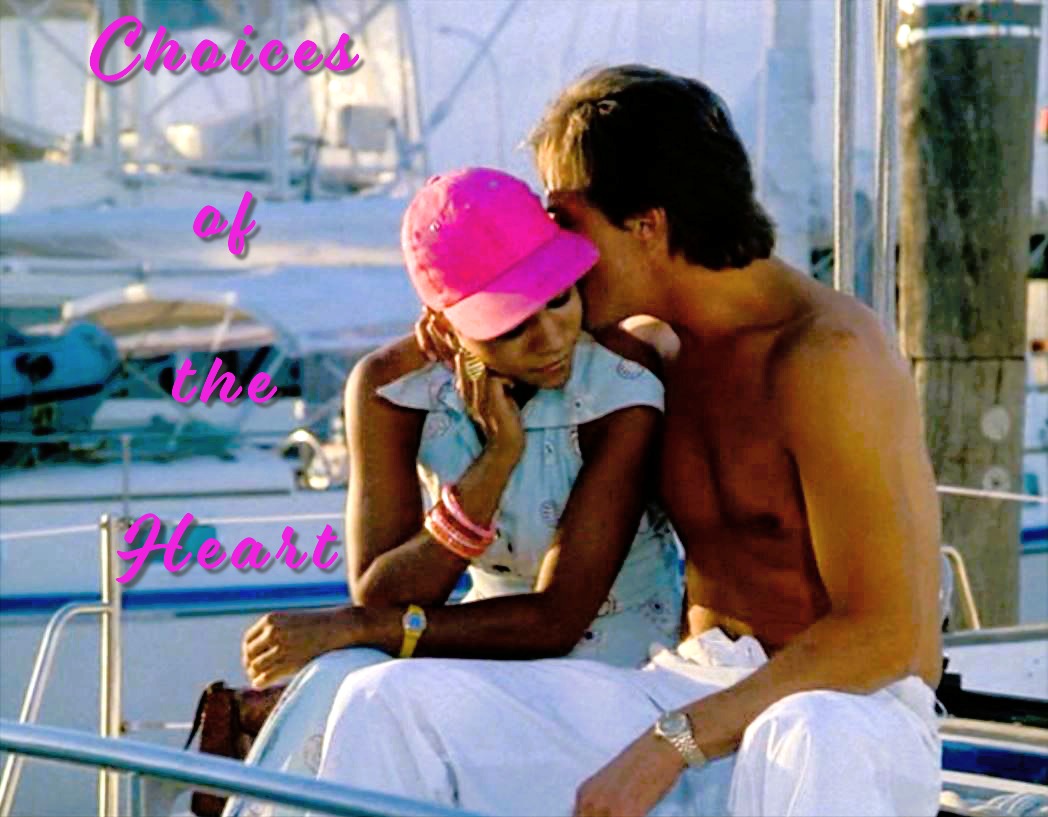
 pauraquepetra
The abstract of a historical journal article.
holmesticemods posting in holmesticemific posting in fancakesholiokameodouglas posting in holmesticebluebellofbakerstreet posting in holmesticesnickficmerricatb posting in fandomweekly( Read more... )
highadrenalinemod posting in highadrenalineexchangeumadoshi myrmidon in fandom_icons - Resident Evil Requiem [2026]mific in fanart_recs - Heated Yuri by leporidaee (SFW)hannah - Pantry staples.mxcatmoon - Miami Vice fic: Choices of the Heart (final part of the Trudy-Rico fic)bluapapilio - 🌈 GL Manga Check-in: "A Story of a Lonely Fox Seeking Love"muccamukk - The Other Bennet Sister (2026)pauraque - Clay's Ark by Octavia E. Butler (1984)petra - SW: Primus Inter Sub-Pares: The Crisis in Leadership on Naboo in the Declining Days of the Republicholmesticemods in holmestice - ONE DAY WARNINGbluapapilio - 🌈BL Manga Check-in: "Aimai na Wolf"mific in fancake - Hockey RPF: You're the One That I Want by thehoydensholio - A cunning plankameodouglas in holmestice - Has a year gone by already?bluebellofbakerstreet in holmestice - Hooray for Holmesticesheliak in icontalking - Icon Progression 2025snickfic - The Mother of All Questions by Rebecca Solnitmerricatb in fandomweekly - [#296] These Keys Were Made For Losing (Sense8)highadrenalinemod in highadrenalineexchange - Final Delay; all pinch hits picked uppushkin666 - Fic: Fall Out Boy - restraint under pressure, Pete/Patrickumadoshi - Garden pre-PRE(?)-planning. Or something.winterfishkrja


